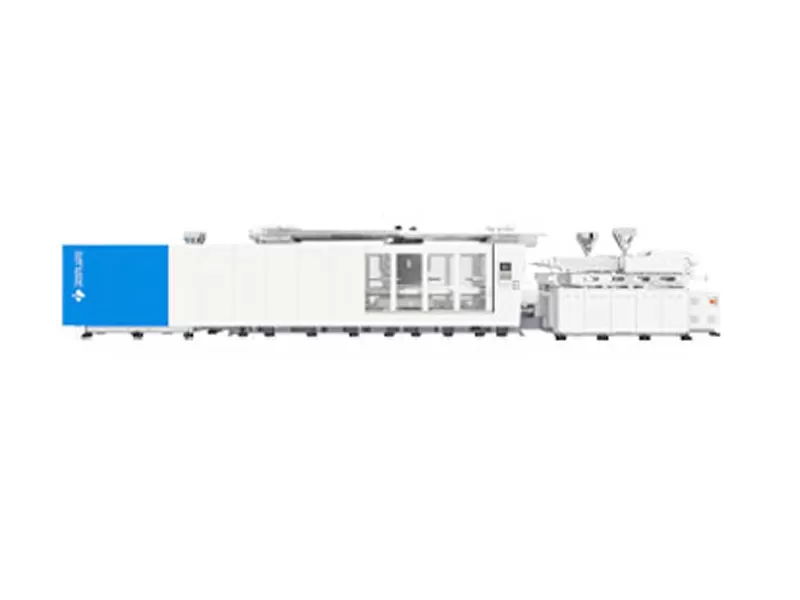
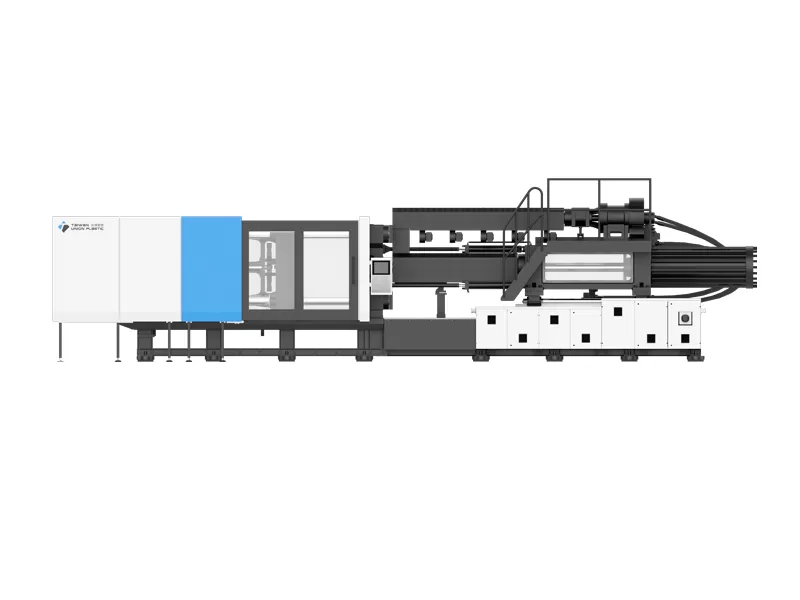
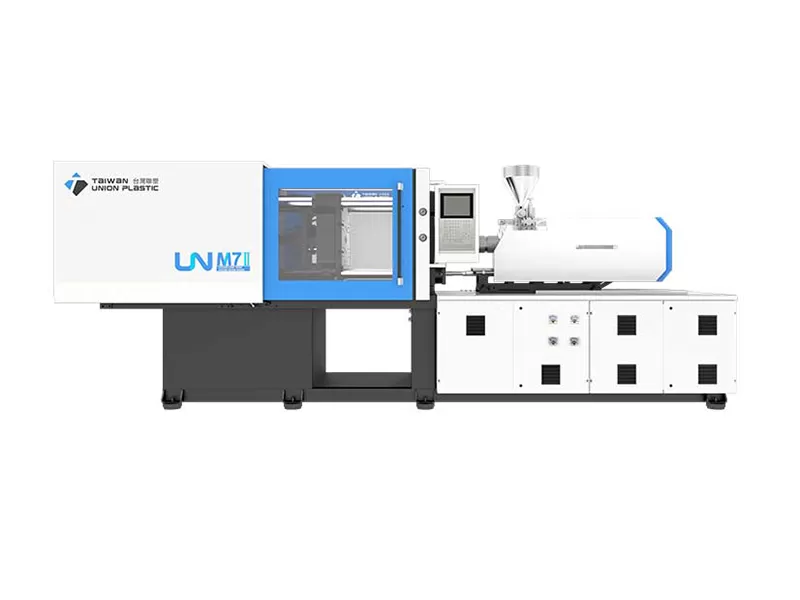
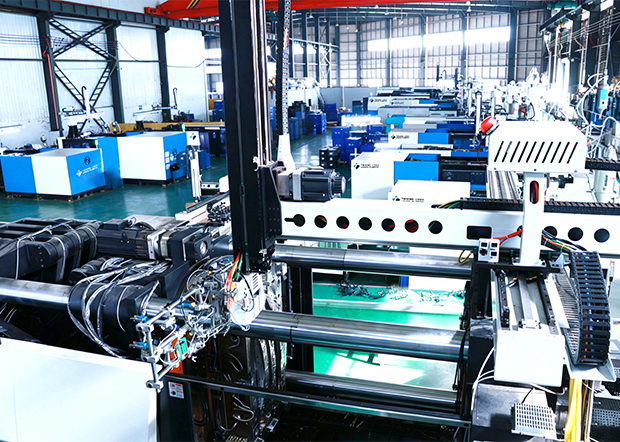
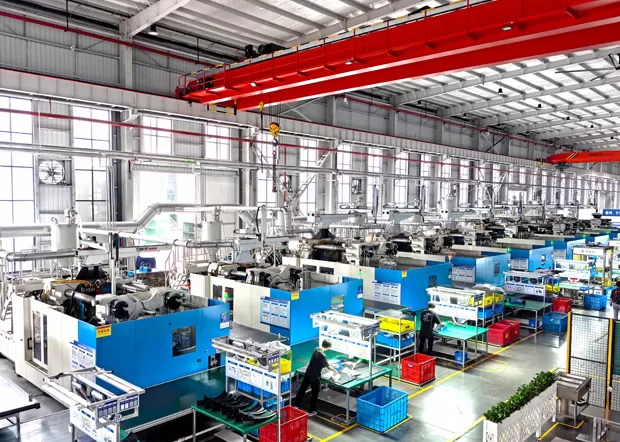
The two-way injection platform with a two-plate clamping mold structure enables forming complex multi-color products. The medium plate uses heavy-duty linear guide rails, offering 60-ton load capacity, low friction, and smooth operation.

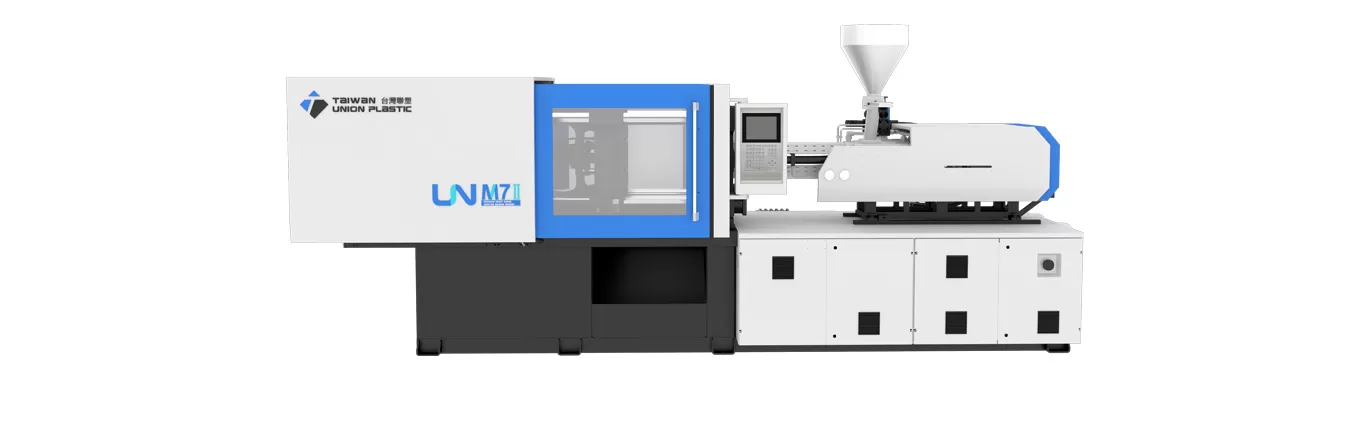 UN
Servo Hydraulic Injection Molding Machine
UN
Servo Hydraulic Injection Molding Machine
The fundamental principles of injection molding—melting plastic and injecting it into a mold cavity—remain the same. However, the orientation of the clamping unit defines two very different pathways to production success: Vertical and Horizontal injection molding. Understanding the distinct advantages of each setup is crucial for maximizing efficiency, minimizing waste, and ensuring component quality for your specific product line.
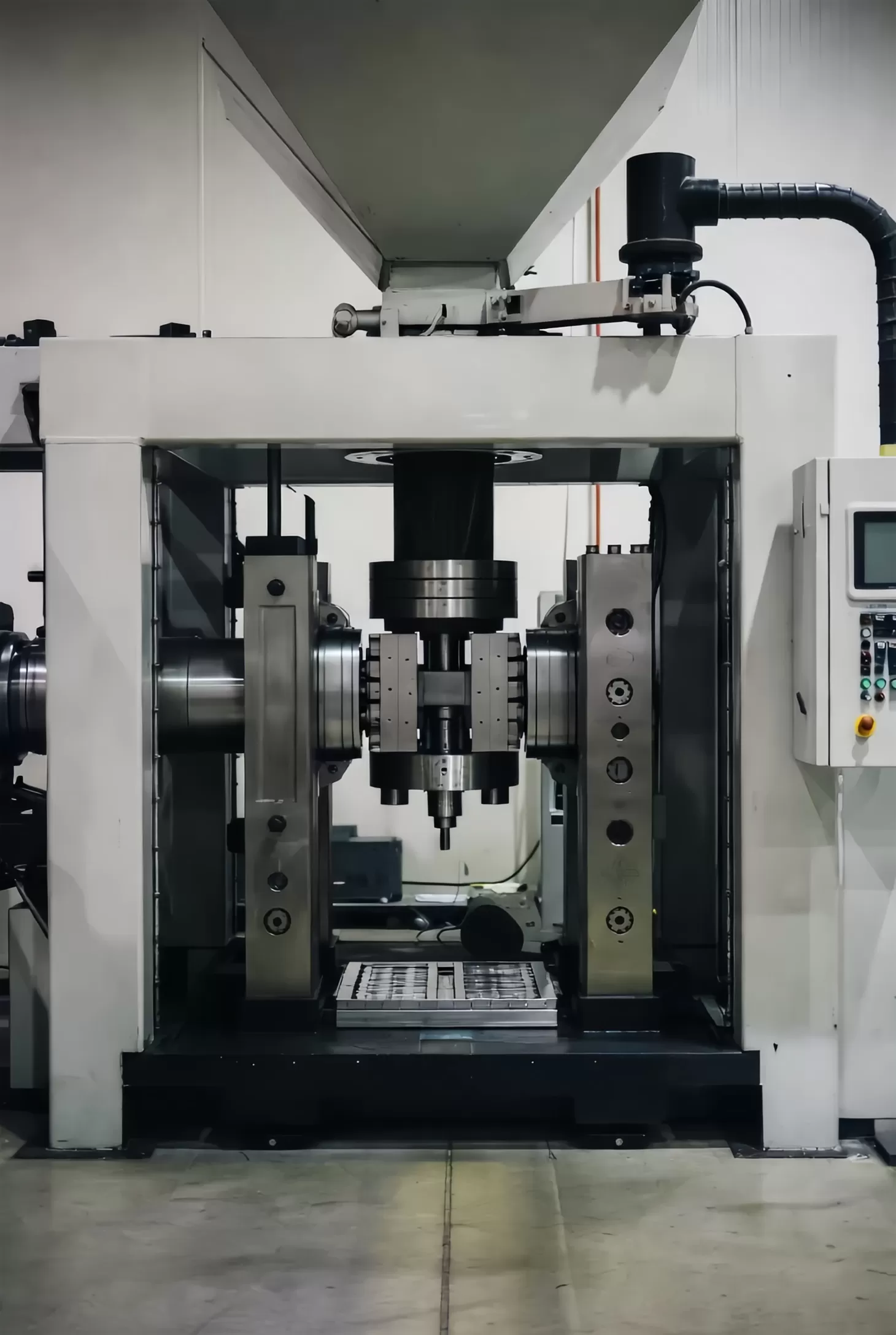
The defining feature of the Vertical Injection Molding Machine is the up-and-down mold clamping action, often paired with a rotary table. This configuration offers immediate advantages for certain complex processes.
Gravity-Assisted Insert Molding: When performing insert molding (embedding metal or pre-formed plastic parts into the new component), the vertical orientation is vastly superior. Gravity naturally holds inserts in the lower mold half, eliminating the need for complex pins or manual fixturing, which significantly speeds up loading.
Parallel Operations: The rotary table allows an operator to load an insert in one position while the machine injects plastic into a second mold and cools a third, enabling true concurrent pre-molding, injection, and post-molding operations. This reduces overall cycle time and is highly suitable for multi-component or intricate assemblies.
Compact Footprint: Despite its functional complexity, the vertical machine typically occupies only half the floor space of a comparable horizontal machine.
The Horizontal Injection Molding Machine remains the industry workhorse for high-volume, standardized production. Its side-to-side mold movement offers superior mechanical advantages for simpler parts.
Automated Part Ejection: The primary efficiency gain comes from automated part removal. Once the mold opens, finished parts automatically fall out of the cavity due to gravity and are collected via a chute, eliminating the need for robotic or manual extraction. This ensures consistent cycle times and reduces potential damage associated with handling.
Greater Cavitation: Horizontal machines are typically designed to support molds with a higher number of cavities, meaning they can produce significantly more parts per cycle, ideal for commodity products requiring massive output.
Standardization and Versatility: Being the traditional standard, there is a wider range of machine models, tonnages, and control options available (hydraulic, electric, etc.), making it flexible for general-purpose molding.
The choice between vertical and horizontal machines often boils down to a strategic trade-off involving labor, space, and part complexity. While a Horizontal Injection Molding Machine is better suited for high-cavitation, "lights-out" manufacturing due to its automatic drop-out feature, it requires a large factory footprint. Conversely, the Vertical Injection Molding Machine excels in labor-intensive insert and overmolding applications where its compact size and rotary table maximize operator efficiency and material flow consistency, despite requiring an operator or robot for part extraction.
The optimal choice hinges entirely on your product and process needs. If your business focuses on complex assemblies, overmolding, or insert molding, the space-saving, gravity-assisted efficiency of the Vertical Injection Molding Machine is the clear winner. For high-volume, standard plastic components where consistent cycle time is king, the efficient automation and high cavitation of the Horizontal Injection Molding Machine will drive your profitability. Analyze your parts, and select the orientation that directly aligns with your production goals.