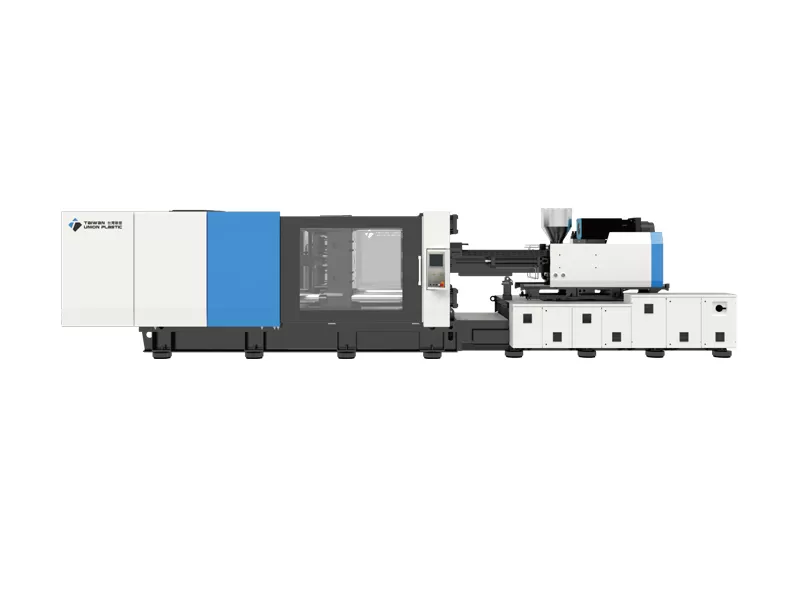
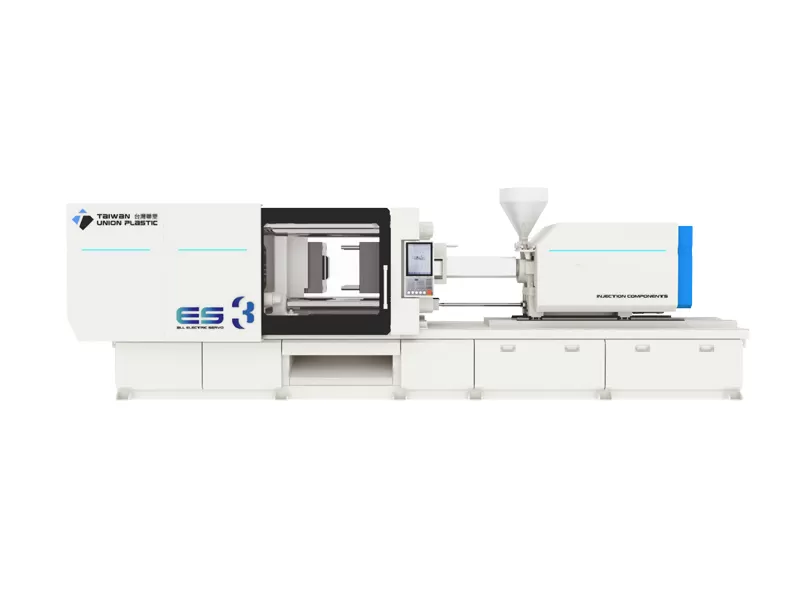
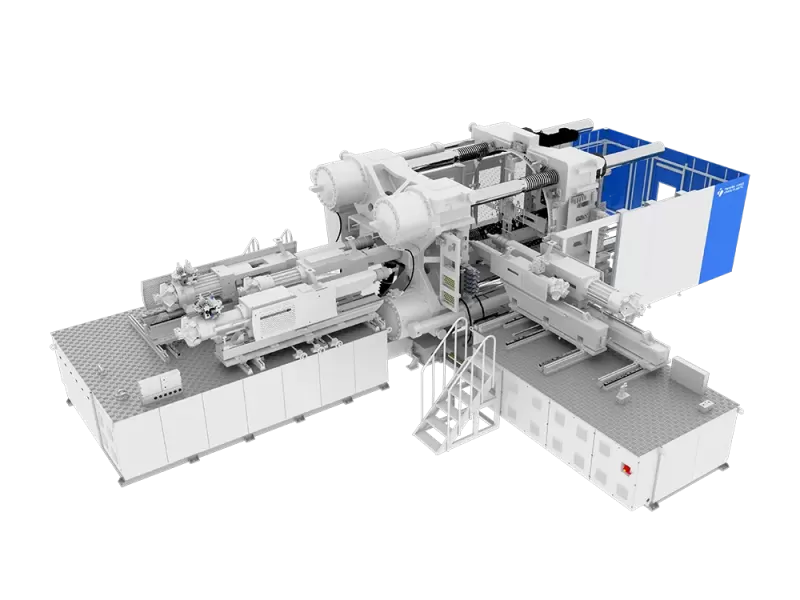
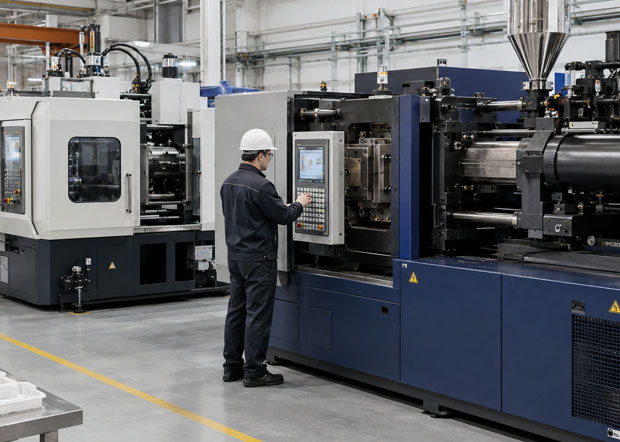
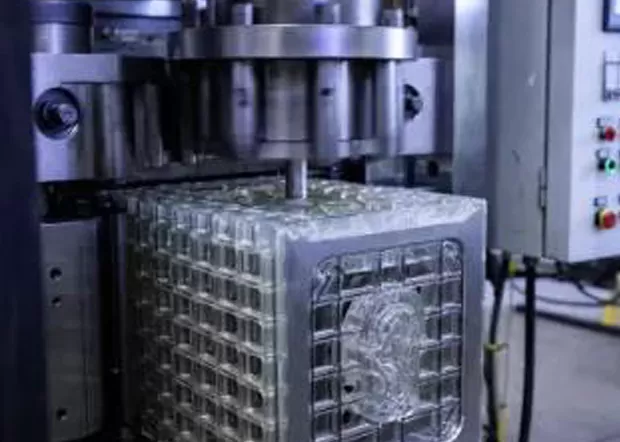
Focusing on the core application requirements of PET, TUP has specially designed a complete set of PET machine solutions.

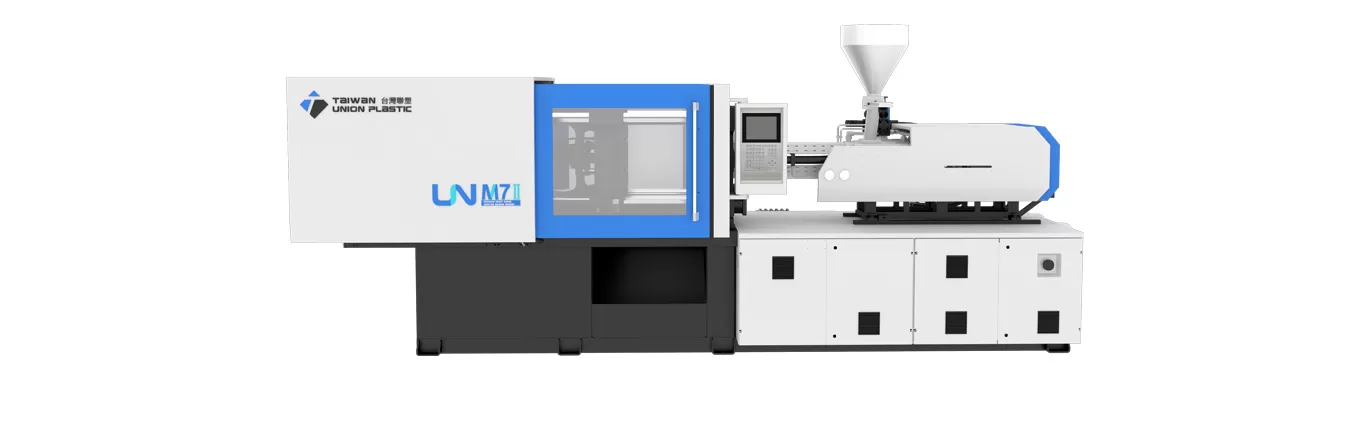 UN
Servo Hydraulic Injection Molding Machine
UN
Servo Hydraulic Injection Molding Machine
The four tie bars serve as the central nervous system of the clamping unit, ensuring that the two halves of the mold remain securely closed against the high pressures (often hundreds of tons) exerted by the molten plastic. The tie bars are precisely tensioned to distribute the clamping force evenly across the entire surface of the mold. This structural integrity is vital because:
Prevents Flashing: Uniform clamping force prevents the mold halves from separating, which in turn prevents molten plastic from escaping into the parting line—a defect known as flashing.
Ensures Part Accuracy: A stable platen ensures the mold remains perfectly aligned, guaranteeing the dimensional accuracy and consistency of the finished component, particularly for large or thick-walled parts.
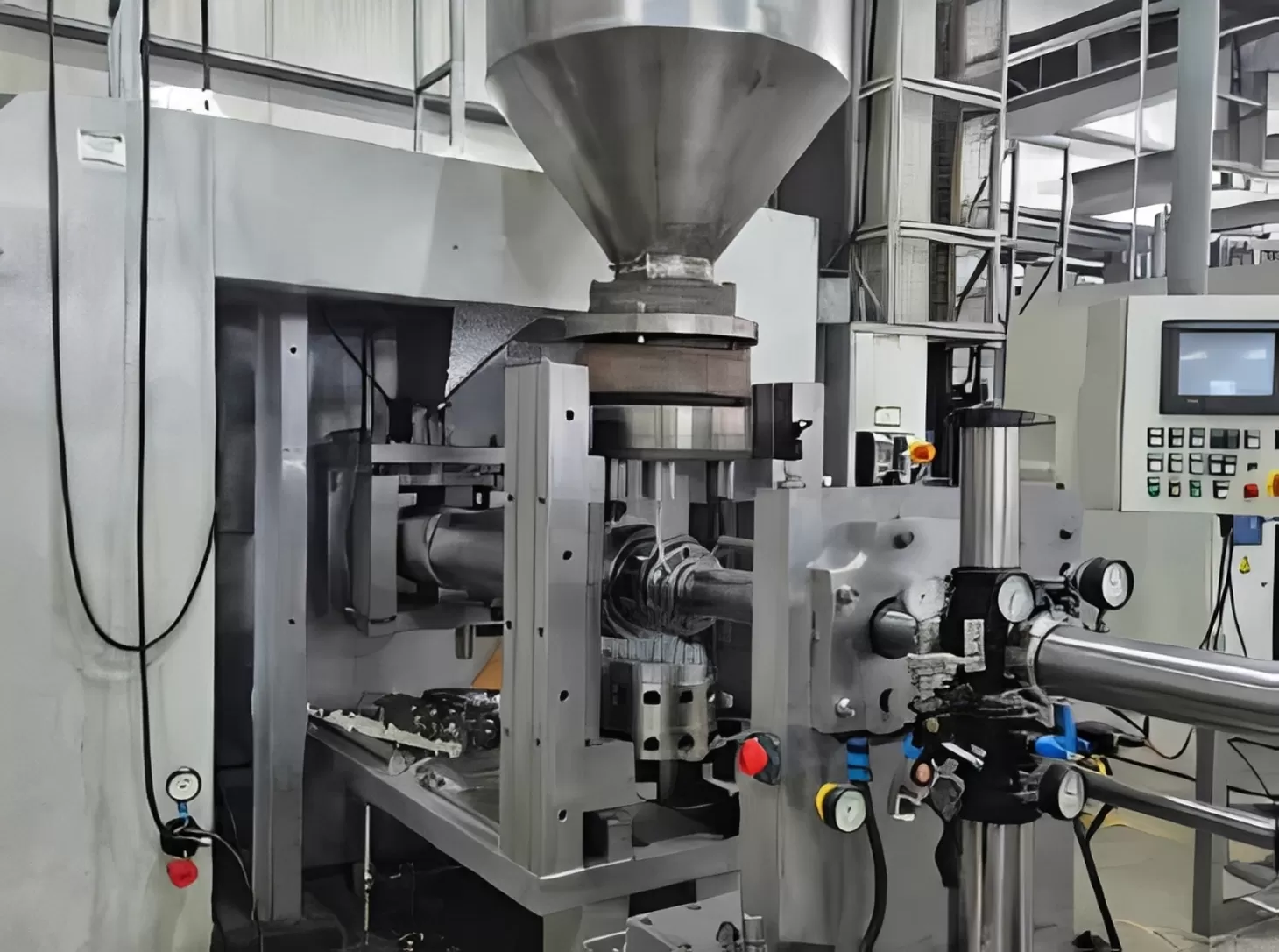
The Tie Bar Injection Molding design is highly scalable and remains the industry standard for machines across a wide range of clamping tonnages—from small, precision models to massive machines exceeding 4,000 tons. This versatility makes it suitable for numerous applications:
Large Parts: For automotive body panels, large containers, or appliance housings, the four-bar structure provides the sheer force and stability required to mold expansive, high-surface-area components.
Multi-Cavity Molds: In high-volume production using multi-cavity molds, the tie bar system ensures the clamping force is evenly applied across all cavities, leading to consistent filling and quality across the entire batch.
Accessibility (The Trade-Off): While the tie bars provide stability, they do pose certain limitations on mold handling and the size of molds that can be inserted, as the mold must fit within the space defined by the tie bars.
While the tie bar design remains dominant, manufacturers should be aware of the alternative: tie bar-less machines. These newer designs remove the four columns, offering superior access to the mold area—ideal for automated part removal or for using oversized molds that still fit within the machine's tonnage limits. However, the tie bar machine still holds significant advantages:
Superior Clamping Force Uniformity: Tie bar machines are often considered superior in delivering highly uniform clamping force across the platen, a non-negotiable factor for demanding parts requiring zero flashing.
Cost and Reliability: The tie bar design is mature, reliable, and generally more cost-effective for extremely high tonnage applications.
The Tie Bar Injection Molding machine is the proven workhorse of the industry. Its four-column structure delivers the essential clamping force and platen stability needed to produce high-quality, defect-free plastic components, especially those that are large or require high injection pressures. For reliable performance and structural assurance, particularly in high-tonnage applications, the tie bar machine remains the gold standard.