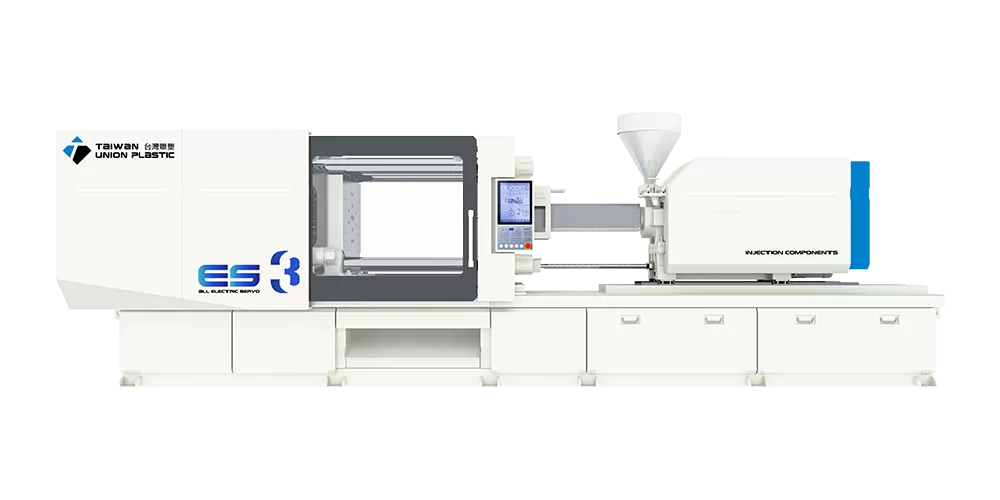
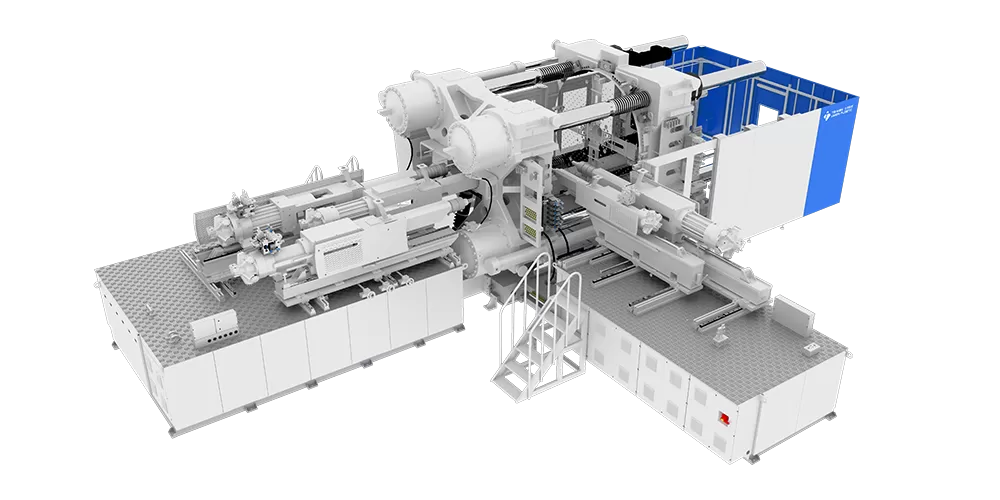
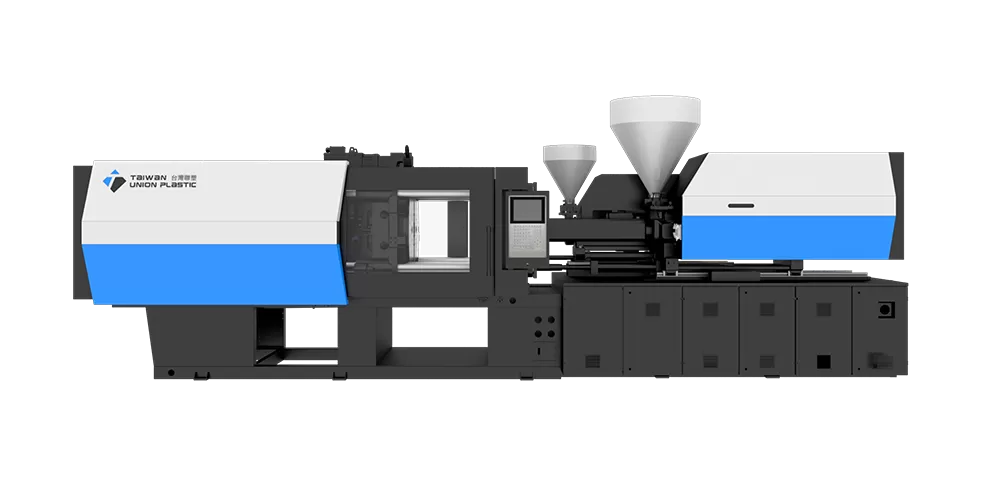
Includes various in-mold decoration technologies such as IML, IMF, and IMD.
1. IML — In-Mold Labeling
Process: A pre-printed label film is placed inside the mold; during injection molding, the film is fused with the plastic part, and the film ultimately remains on the product’s surface.
Features:
Typical applications: Food containers, home appliance panels, daily necessities, buckets/boxes.
�
2. IMF — In-Mold Film (commonly referred to in the industry as “High-End IMD”)
Process: A patterned film is first preheated and stretched, then laminated to the mold cavity before injection molding, permanently bonding the film to the plastic part.
Features:
Film can be deeply stretched and used for complex 3D molding
Surface is highly wear-resistant, scratch-resistant, and weather-resistant
Premium appearance; supports textures, gradients, and tactile characters
Typical Applications: Automotive interiors (door panels, dashboards, air vents), high-end home appliances, 3C device housings.
3. IMR — In-Mold Release (In-Mold Transfer)
Process: The film consists of a pattern layer and a release layer. During injection molding, the pattern is transferred to the plastic part’s surface. After molding, the film backing is peeled off, leaving only the pattern.
Features:
No film layer on the surface; texture resembles spray painting
Suitable for products with high aesthetic requirements but where a film-like thickness is undesirable
Moderate cost with high yield rates
Typical Applications: Mobile phone casings, small appliance housings, decorative parts.