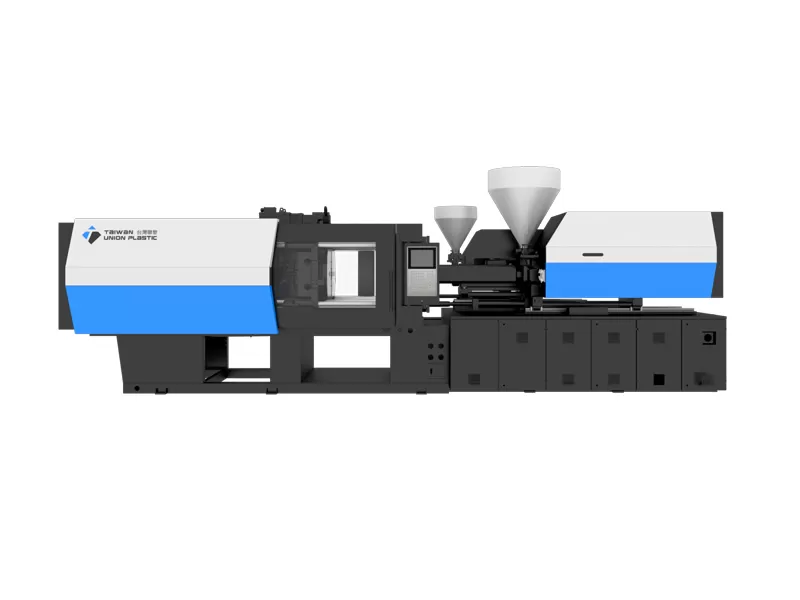
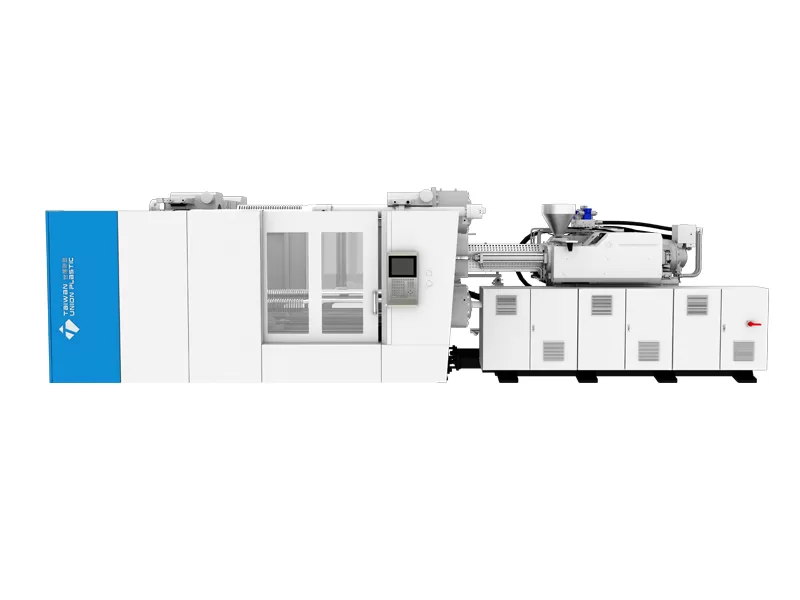
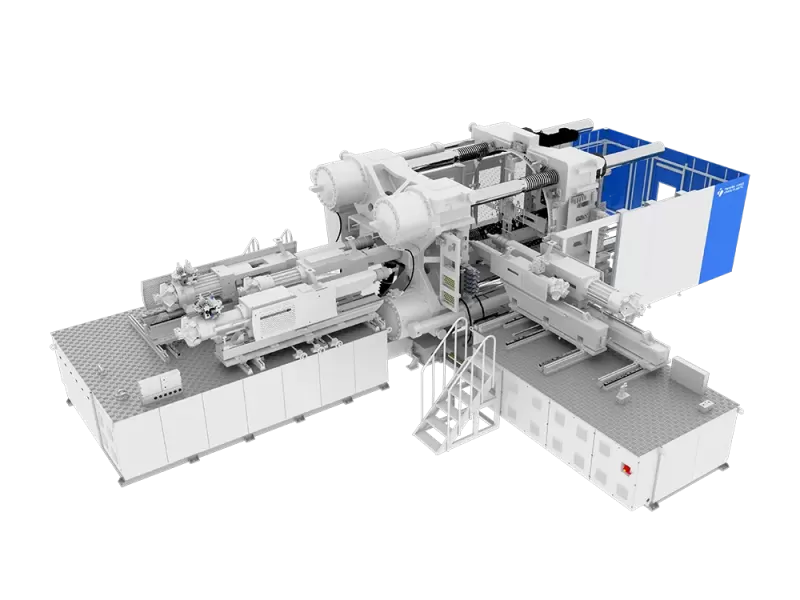
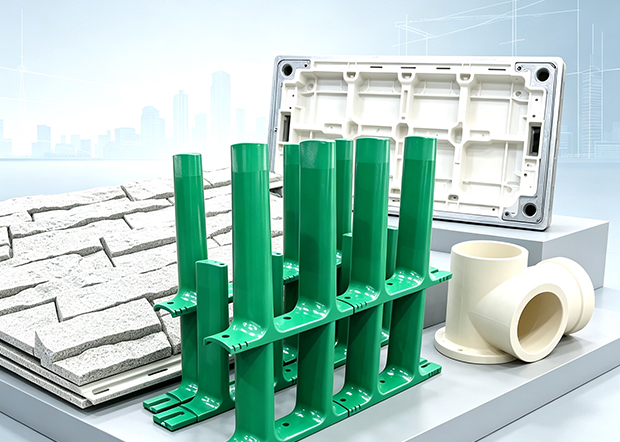
Special processes and multi-component processes can be easily expanded.

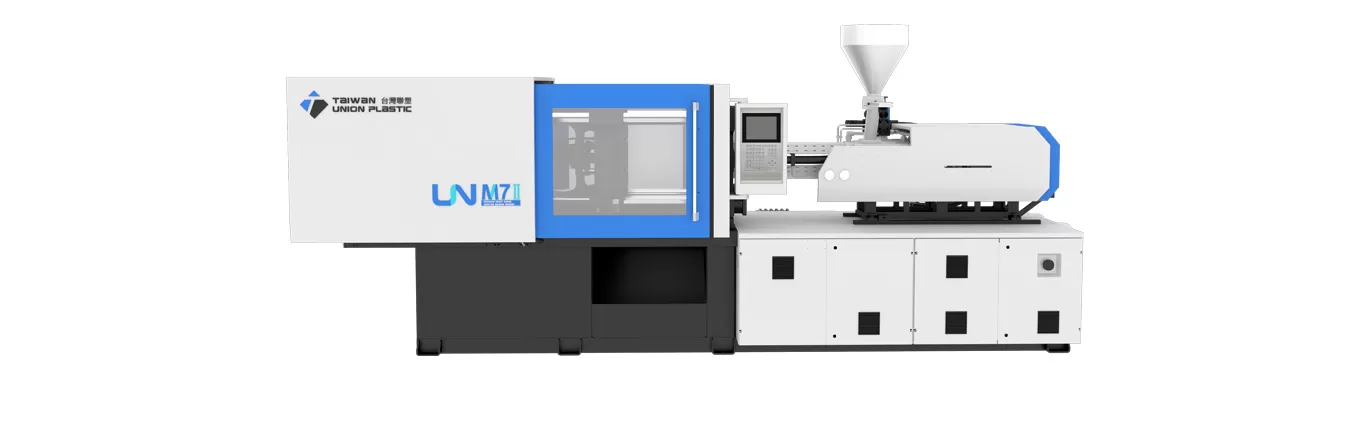 UN
Servo Hydraulic Injection Molding Machine
UN
Servo Hydraulic Injection Molding Machine
The demand for smaller, more complex plastic parts in medical devices, micro-electronics, and smart sensors has pushed manufacturing technology to its limits. The answer lies not in scaling down standard equipment, but in the specialized engineering of the Miniature Injection Molding Machine (MIMM). These highly specialized systems are designed to master the challenges of micro-molding, reliably producing parts that weigh mere milligrams with sub-micron tolerances.
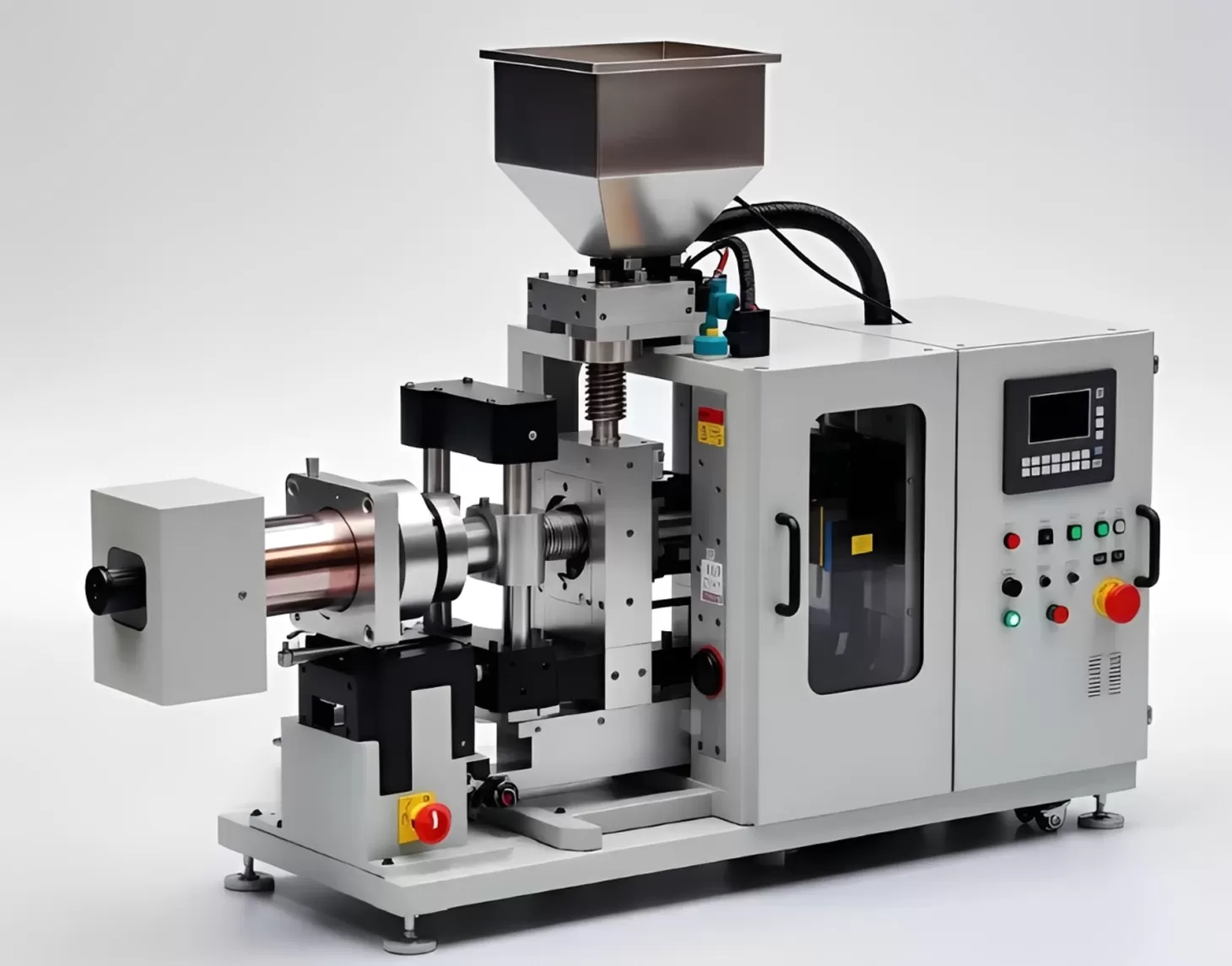
A Miniature Injection Molding Machine is defined by its ability to control variables that are negligible in larger-scale molding. The machine’s systems are optimized to handle extremely small shot volumes, often measured in cubic millimeters, with minimal material degradation:
Micro-Metering: MIMMs feature specialized screws and barrels (or plunger systems) that offer superior control over the shot size and pressure profile, ensuring consistent filling of micro-cavities without flash or short shots.
Thermal Consistency: Maintaining perfect thermal control over minute amounts of molten plastic is critical. These machines minimize the material's residence time and use sophisticated heating zones to prevent thermal degradation, which is essential when molding high-performance, temperature-sensitive resins.
Sub-Micron Tolerances: They are built with highly rigid frames and precise alignment systems to ensure the mold halves mate perfectly, achieving the extremely tight tolerances necessary for micro-fluidics or optical components.
Despite their advanced technology, MIMMs offer significant cost advantages, particularly in the early phases of product development and for low-volume, high-value production:
Material Savings: Due to their small shot size capacity, MIMMs drastically minimize material waste during setup and production runs—a crucial factor when using expensive, specialized engineering polymers (like PEEK, LCP, or bioresins).
Reduced Tooling Costs: Molds for miniature components are much smaller and simpler to manufacture than large-scale tools, accelerating time-to-market and lowering initial capital expenditure for prototyping and small batches.
Benchtop Flexibility: The compact size and low energy consumption allow the Miniature Injection Molding Machine to be easily integrated into R&D labs and cleanroom environments, saving on dedicated factory space and infrastructure costs.
The specific capabilities of MIMMs are essential across several high-growth, technology-driven sectors:
Medical Devices: Manufacturing micro-implants, connectors for catheters, drug delivery components, and micro-fluidic chips with absolute reliability and biocompatibility.
Electronics: Producing tiny components like micro-gears for actuators, intricate sensor housings, and connectors where precision is non-negotiable.
Optics: Molding microscopic lenses and light guides with flawless surface finishes required for fiber optics and imaging arrays.
The Miniature Injection Molding Machine is the indispensable tool for tackling the technical challenge of micro-manufacturing. It offers a unique combination of unparalleled precision, exceptional material control, and cost-effective production for the smallest, most complex parts. For any manufacturer serious about innovating in the micro-component space, investing in this specialized technology is a strategic mandate.