

Cycle times reduced by 25%–50% (depending on structure and material).
Product yield increased by 20%–40%.
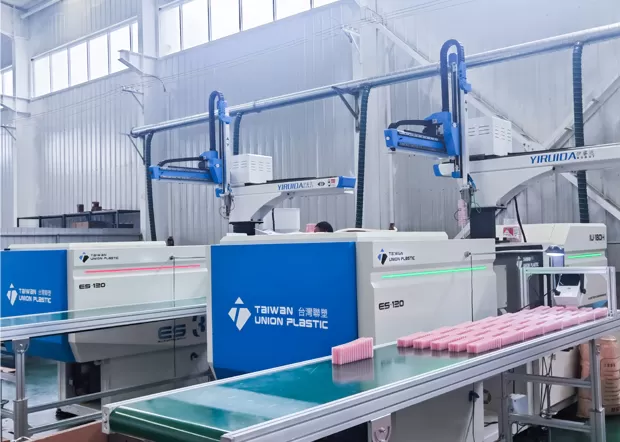
The injection compression molding process is a hybrid technique that combines injection molding and compression molding. Its core process involves “injection followed by compaction”—melted material is injected into the pre-cavity of a mold that is not yet fully closed, after which the moving mold plate rapidly closes the mold a second time. The material is then forced to fill the cavity through compression, simultaneously eliminating internal stresses and significantly reducing defects commonly found in standard injection molding. Compared to conventional injection molding, this process results in lower equipment wear and tear, with injection pressure reduced by approximately 30%. Costs are more controllable, as there is no need to accommodate high injection pressures, simplifying mold design for complex products.
Cycle times reduced by 25%–50% (depending on structure and material).
Product yield increased by 20%–40%.
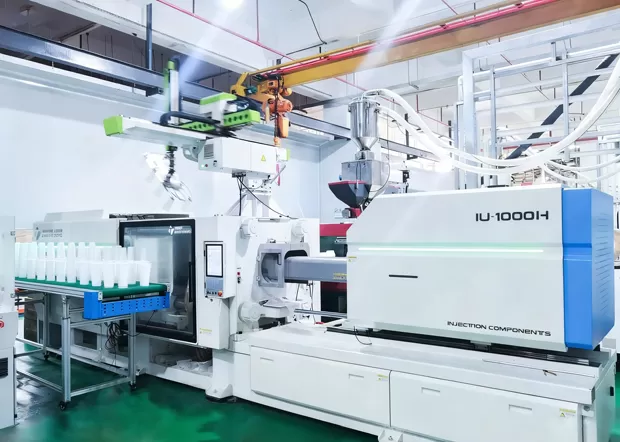
Internal stress is significantly reduced (no uneven holding pressure), and stress concentration is markedly reduced.
Improved light transmission.