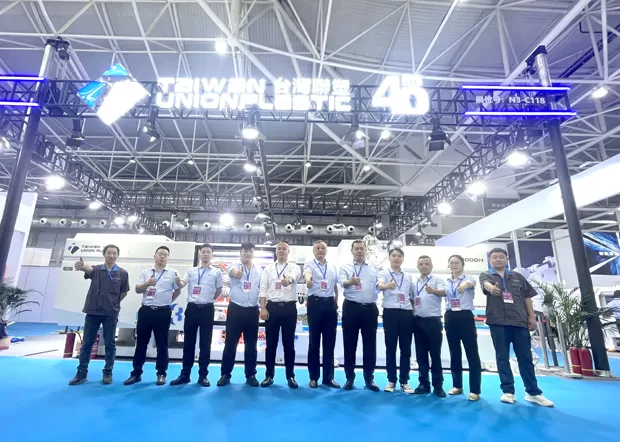
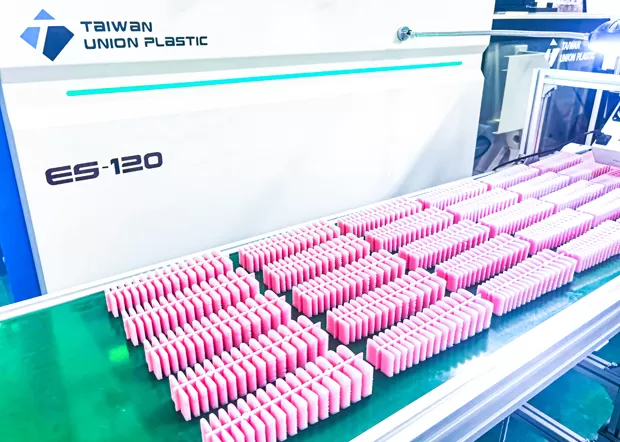
With 40 years of multi-color application experience passed down and accumulated, we have been constantly upgrading and evolving, never stopping and never reaching our destination.

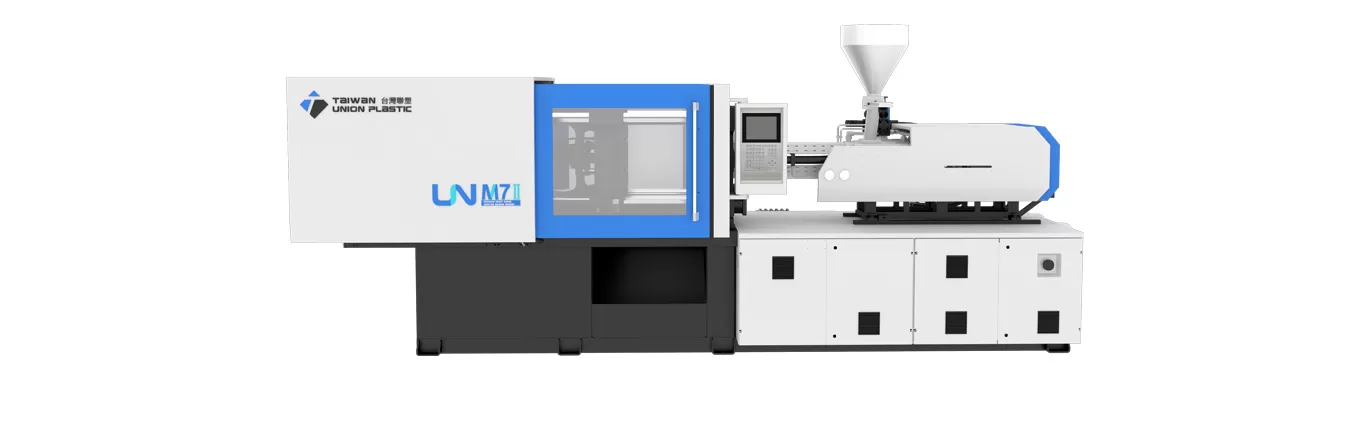 UN
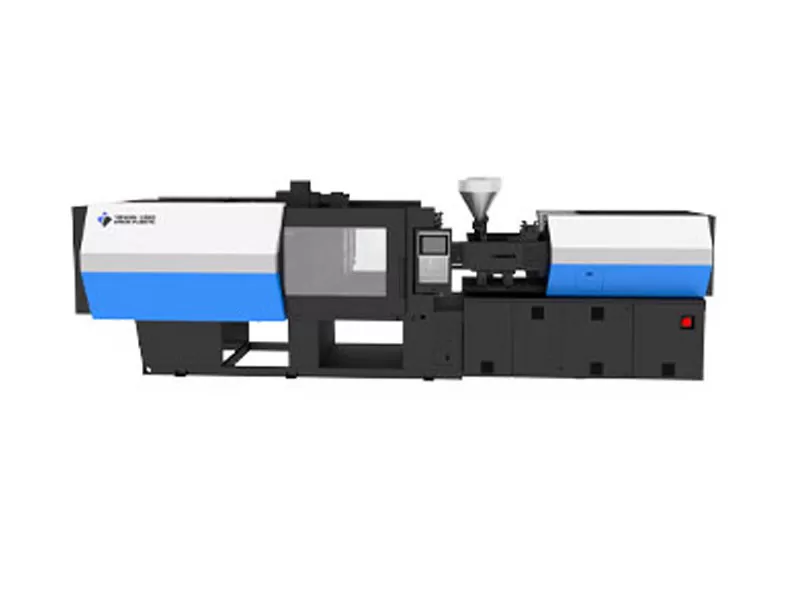
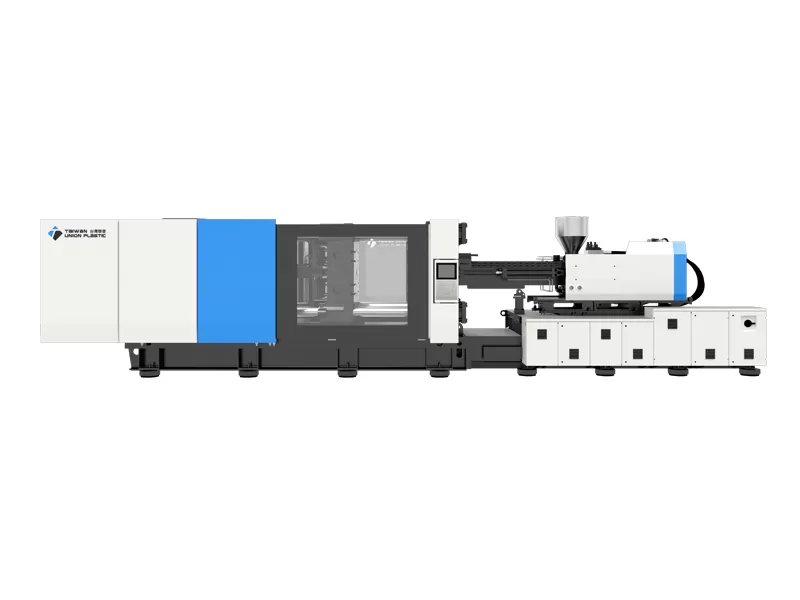
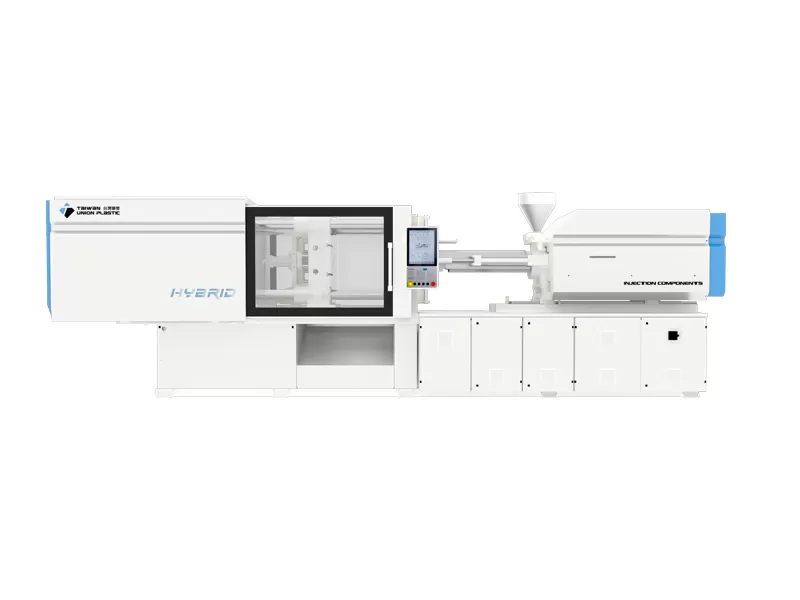
Servo Hydraulic Injection Molding Machine
UN
Servo Hydraulic Injection Molding Machine
In the world of product development and specialized manufacturing, the biggest machine isn't always the best. The Small Injection Molding Machine (SIMM) represents a strategic shift toward agility, precision, and cost-efficiency, proving that powerful capabilities can come in a compact package.
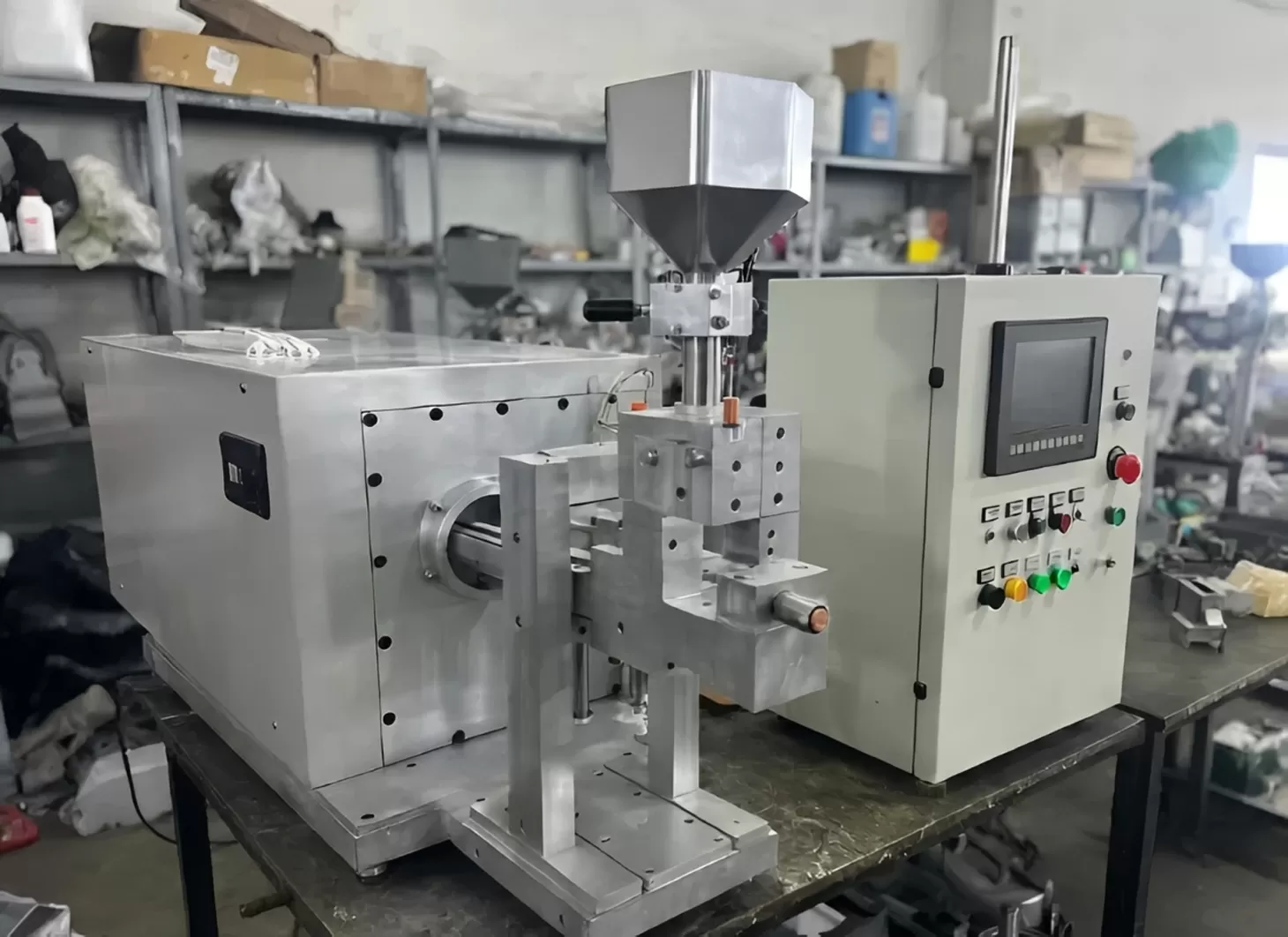
One of the most compelling reasons to choose a SIMM is its impact on your bottom line. Compared to full-scale industrial machines, SIMMs offer dramatic savings across multiple fronts:
Lower Capital Investment: The initial purchase price is significantly reduced, making high-precision manufacturing accessible to startups, research labs, and small businesses.
Reduced Operating Costs: They consume far less energy and require smaller molds (which are cheaper and quicker to manufacture).
Minimal Footprint: The compact design means you can integrate manufacturing into existing workspaces, reducing or eliminating the need for dedicated industrial floor space. This accessibility makes them perfect for "in-house" rapid tooling and iterative design processes.
While small in size, these machines are massive in terms of control. SIMMs are engineered to excel in micro-molding and precision component manufacturing, often dealing with shot sizes ranging from less than one gram up to a few ounces.
Micro-Molding Applications: They provide the necessary consistency and control over injection pressure, temperature, and metering required for producing tiny, intricate parts used in medical devices, micro-electronics, and optics.
Material Versatility: Modern SIMMs can process a wide range of engineering resins, including high-performance materials like PEEK and LCP, allowing manufacturers to maintain high quality even in small volumes.
Rapid Prototyping: The ease of mold changeover and the low material consumption make SIMMs ideal for fast, iterative prototyping, allowing designers to test functional parts made from final-grade materials in hours, not weeks.
The specialized capabilities of the SIMM go beyond simple small-part production. They empower unique manufacturing strategies:
Insert Molding & Overmolding: The open nature and typically lower clamping force requirements are ideal for manual or semi-automated processes like insert molding, where operators need easy access to load components.
Laboratory and R&D Use: They are essential tools in academic and corporate research, allowing engineers to quickly test new materials and complex mold designs under precise, repeatable conditions.
Bridge Tooling: SIMMs can reliably bridge the gap between prototyping and mass production, handling initial small production runs while waiting for large, expensive mass-production tooling to be finalized.