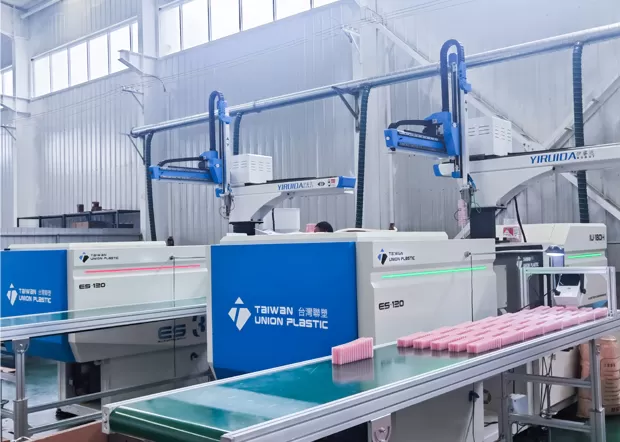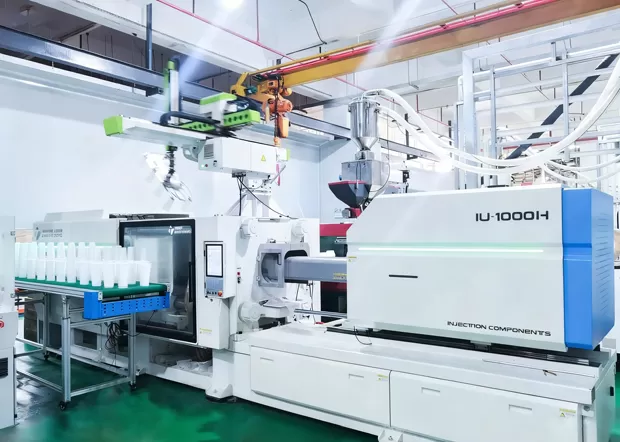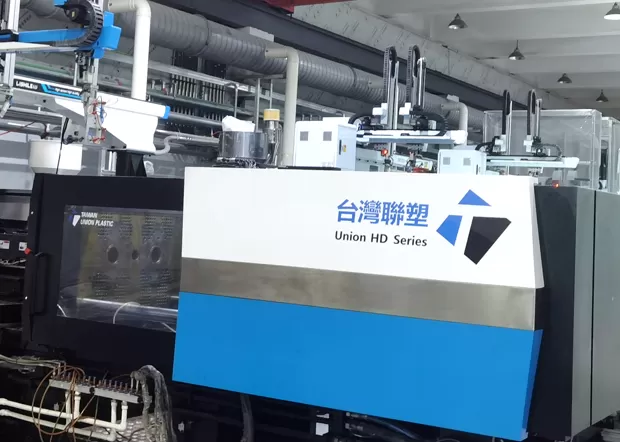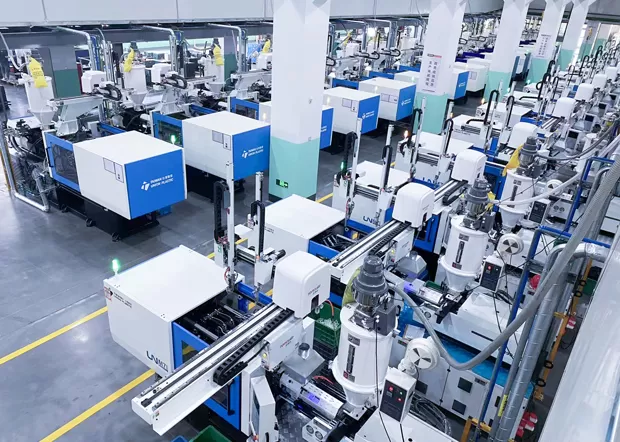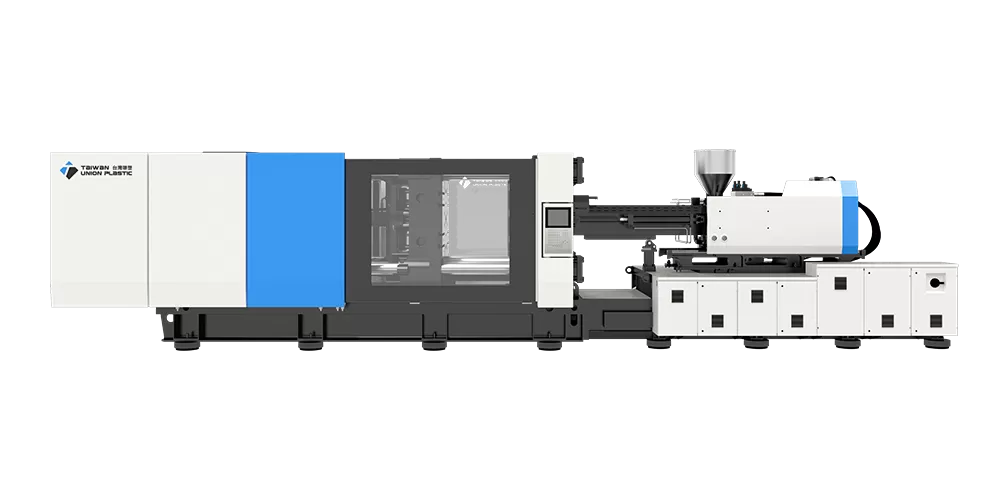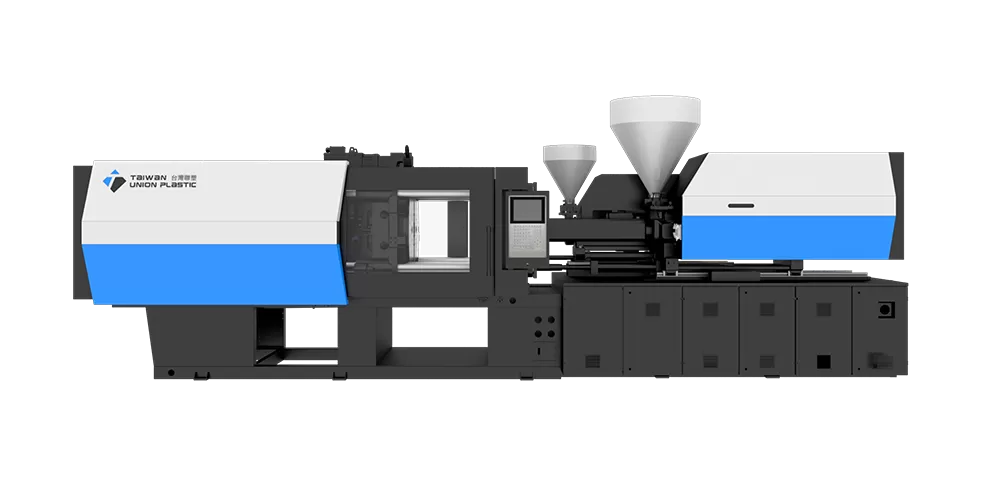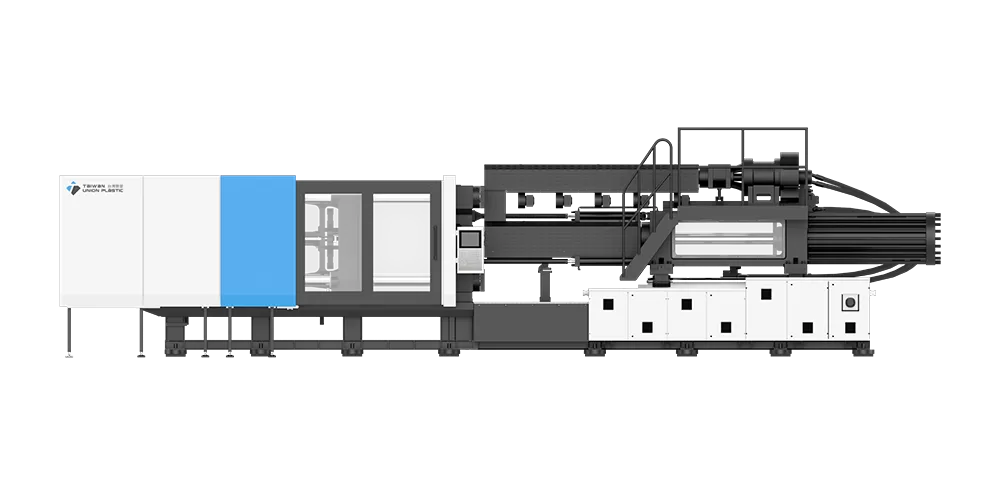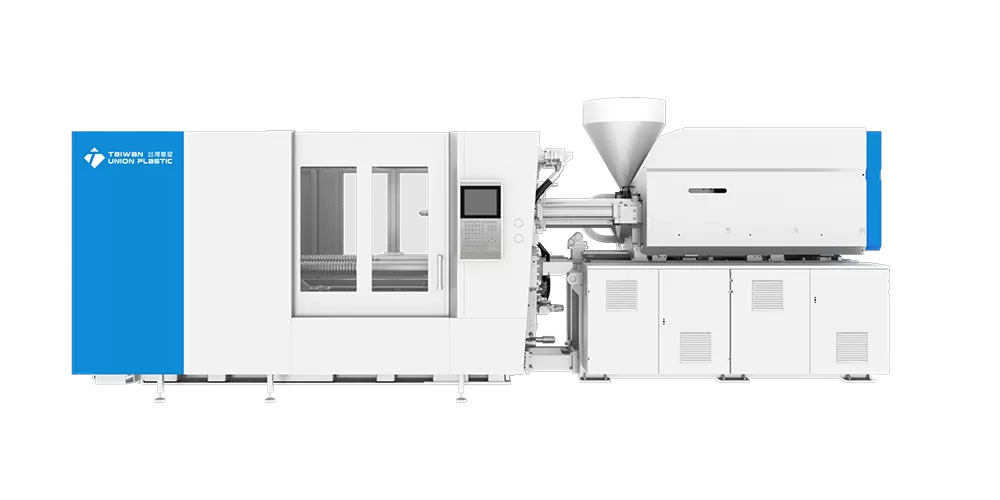



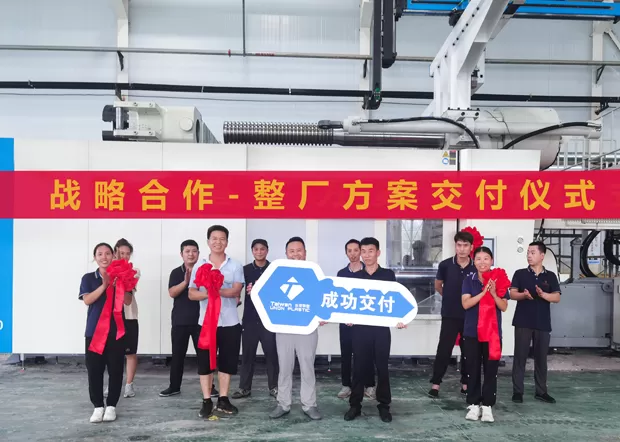
As the largest mold manufacturing and product processing base in Hebei Province, the customer specializes in R&D and design of molds for four major sectors: high-end automotive interior and exterior parts, home appliances, daily necessities, and toys. It is a tier-1 supplier to Midea and Great Wall Motors, operating an integrated molding and plastics factory covering mold manufacturing, injection molding, spraying, and component assembly.
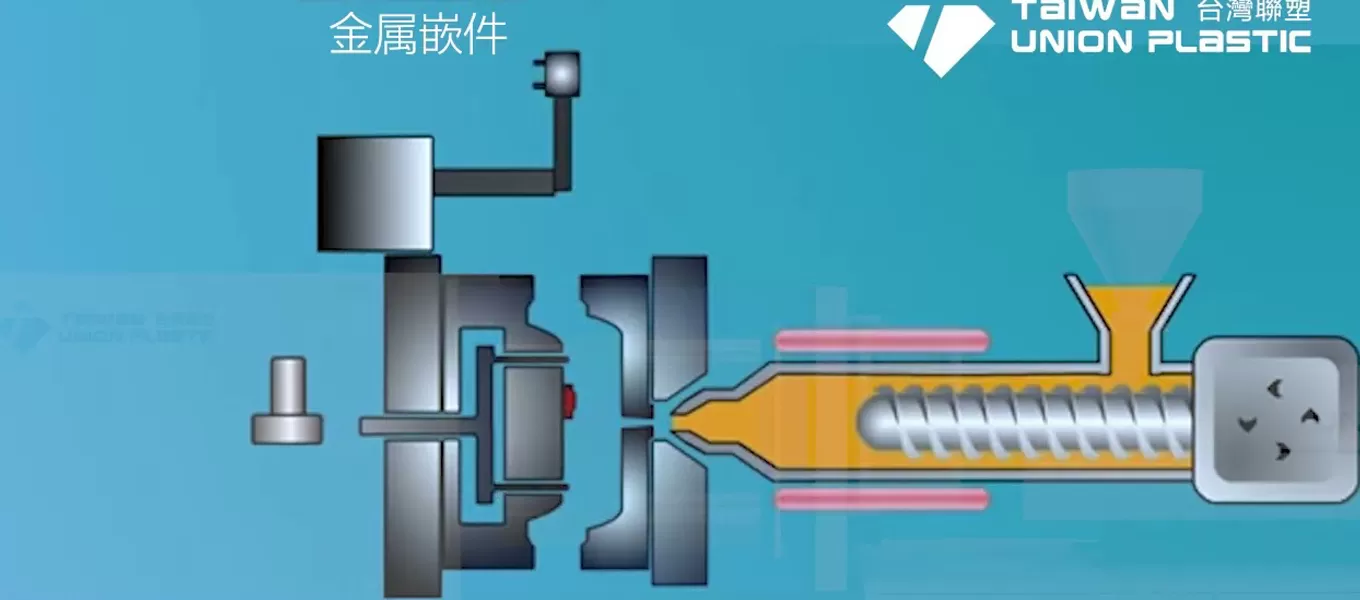
Enables metal-grade strength, wear resistance, electrical conductivity, thermal conductivity, or high-precision threads in specific areas of plastic parts, combining the lightweight advantages of plastic with the high performance of metal.